Wood-Burning Furnace Care
A Cleaner Furnace and Flue for Safer Heat
See how a hands-on furnace and pipe cleaning clears soot and buildup to help your heating system run safely.
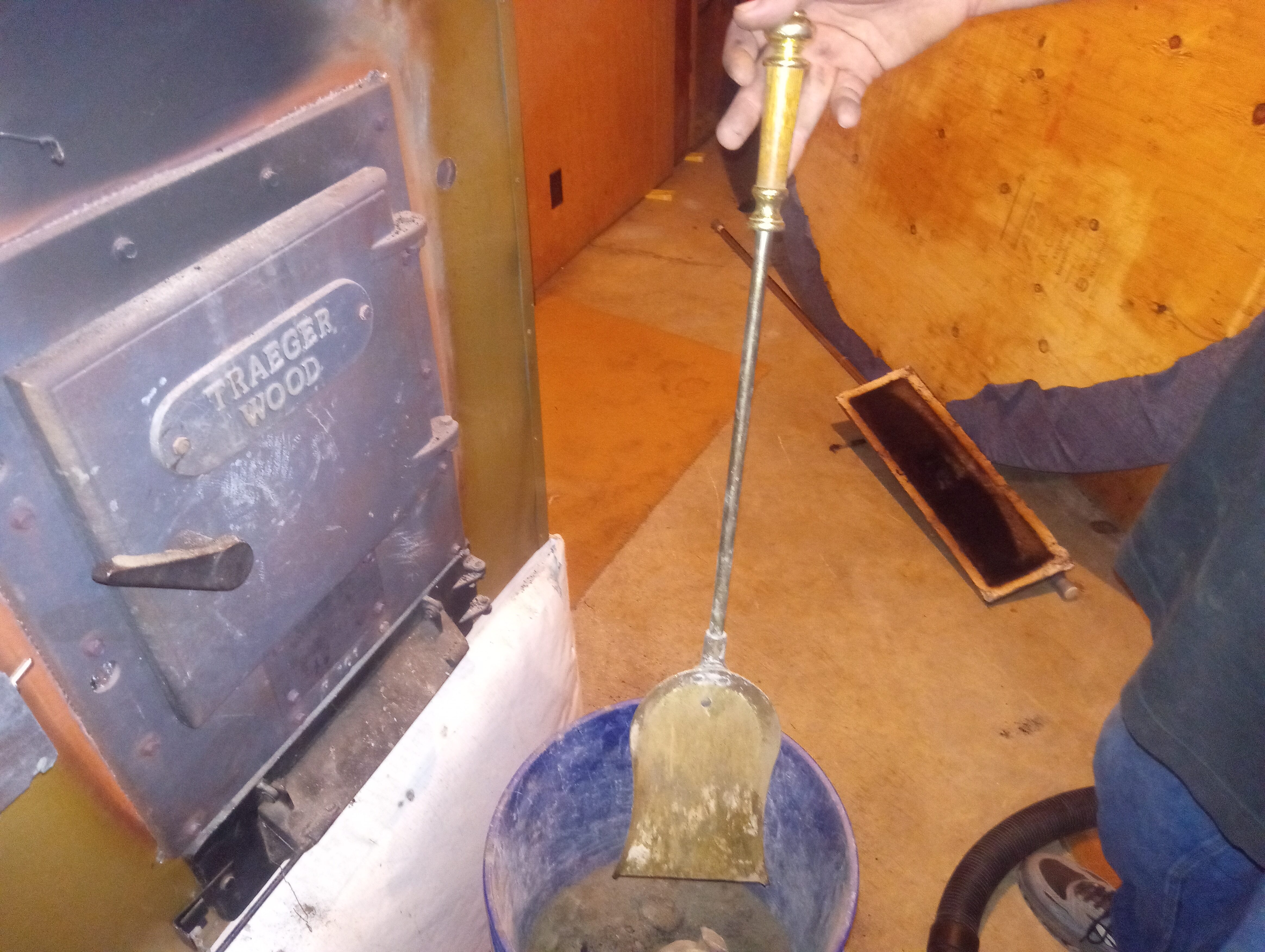
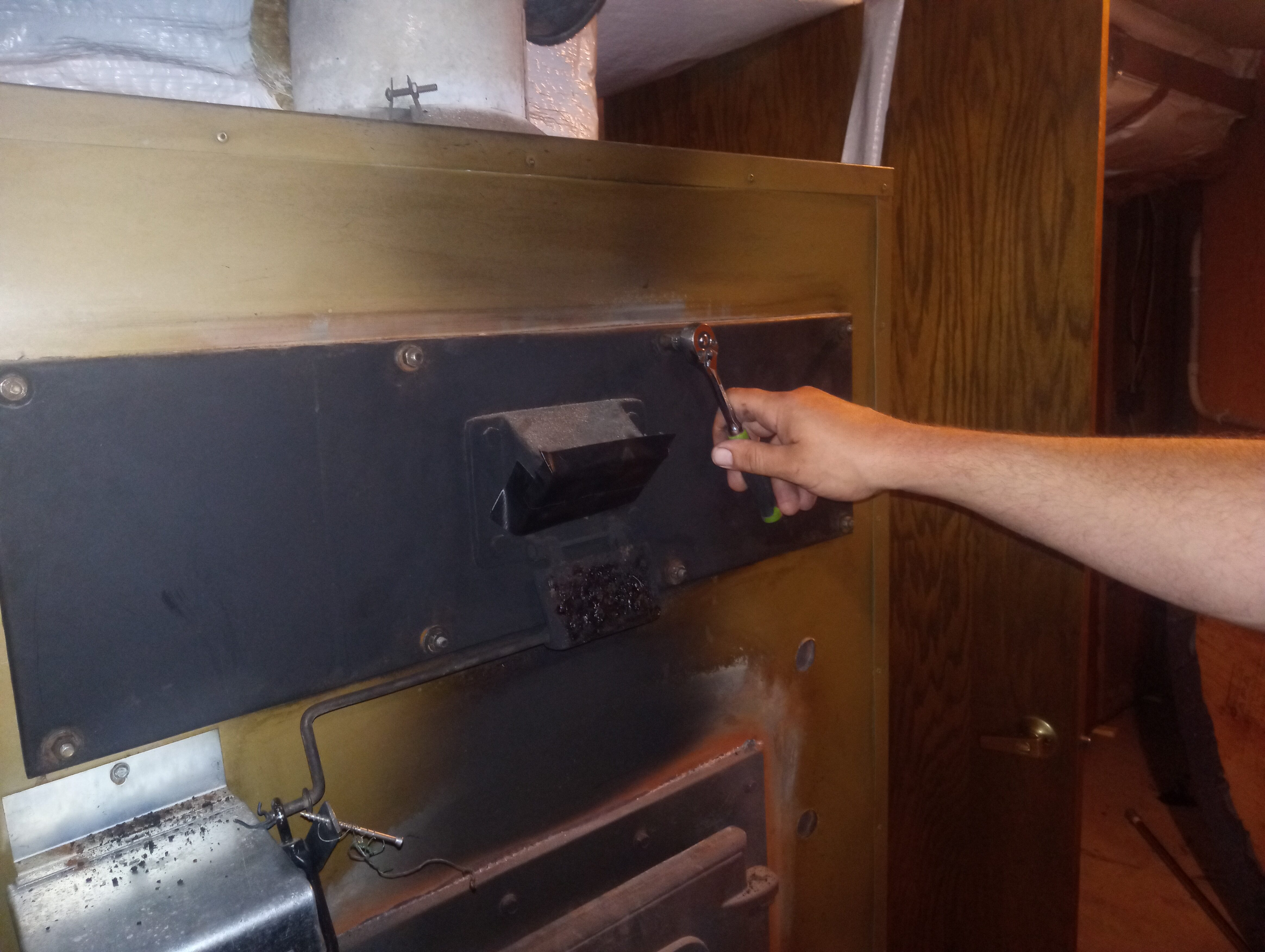
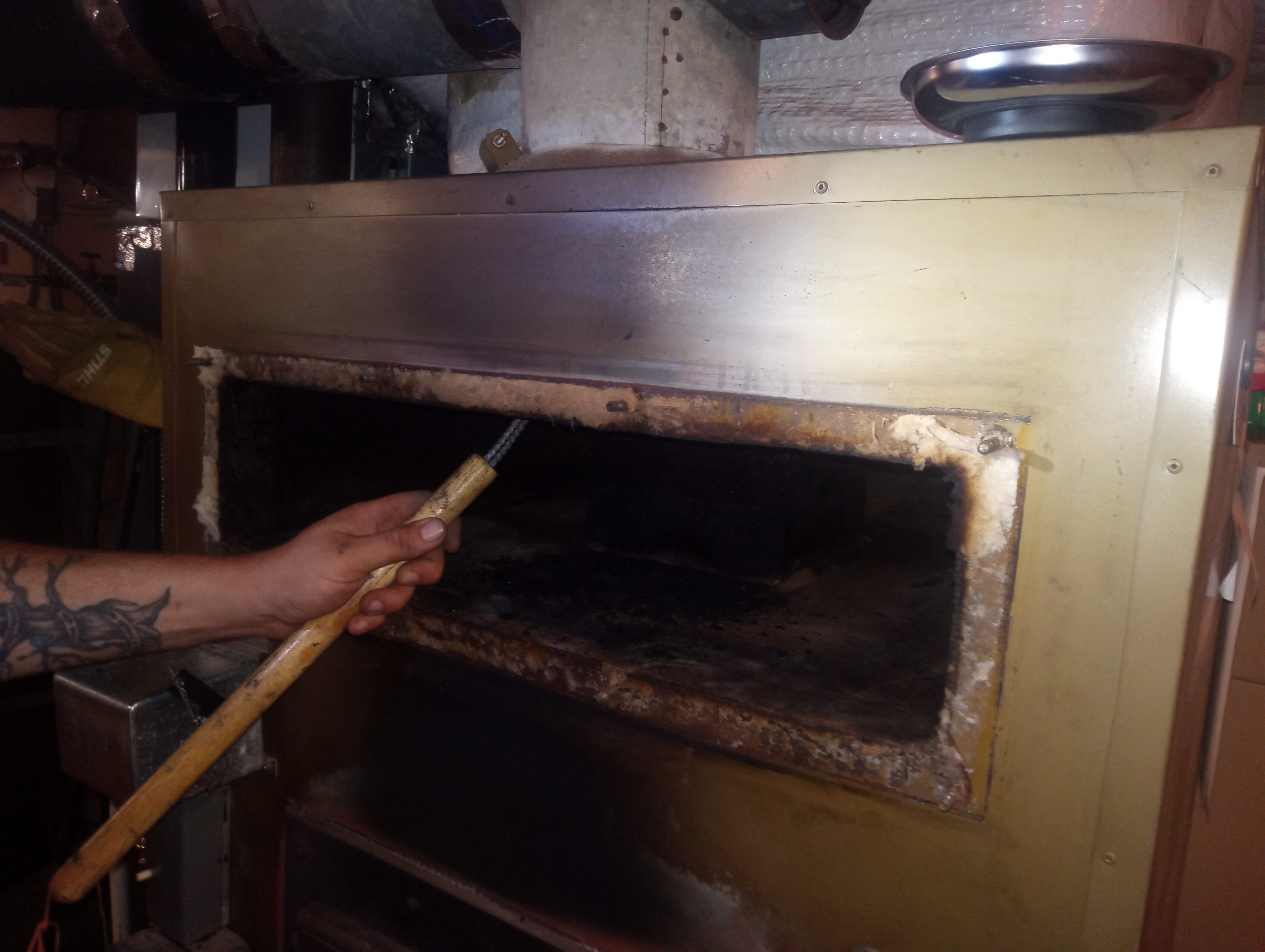
Wood-Burning Furnace and Pipe Cleaning
Heating System Maintenance
Client
Date
My Role
Project Overview
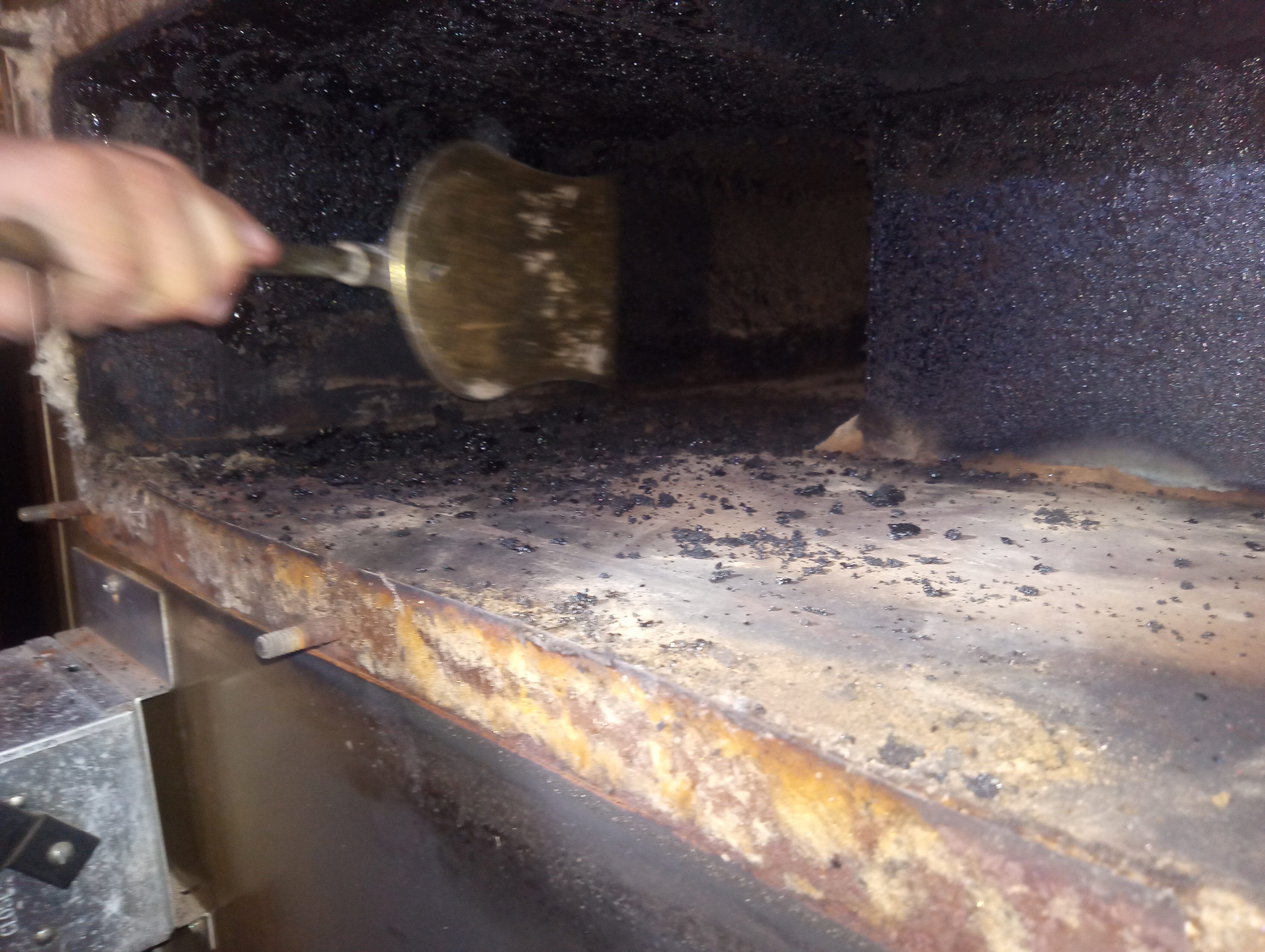
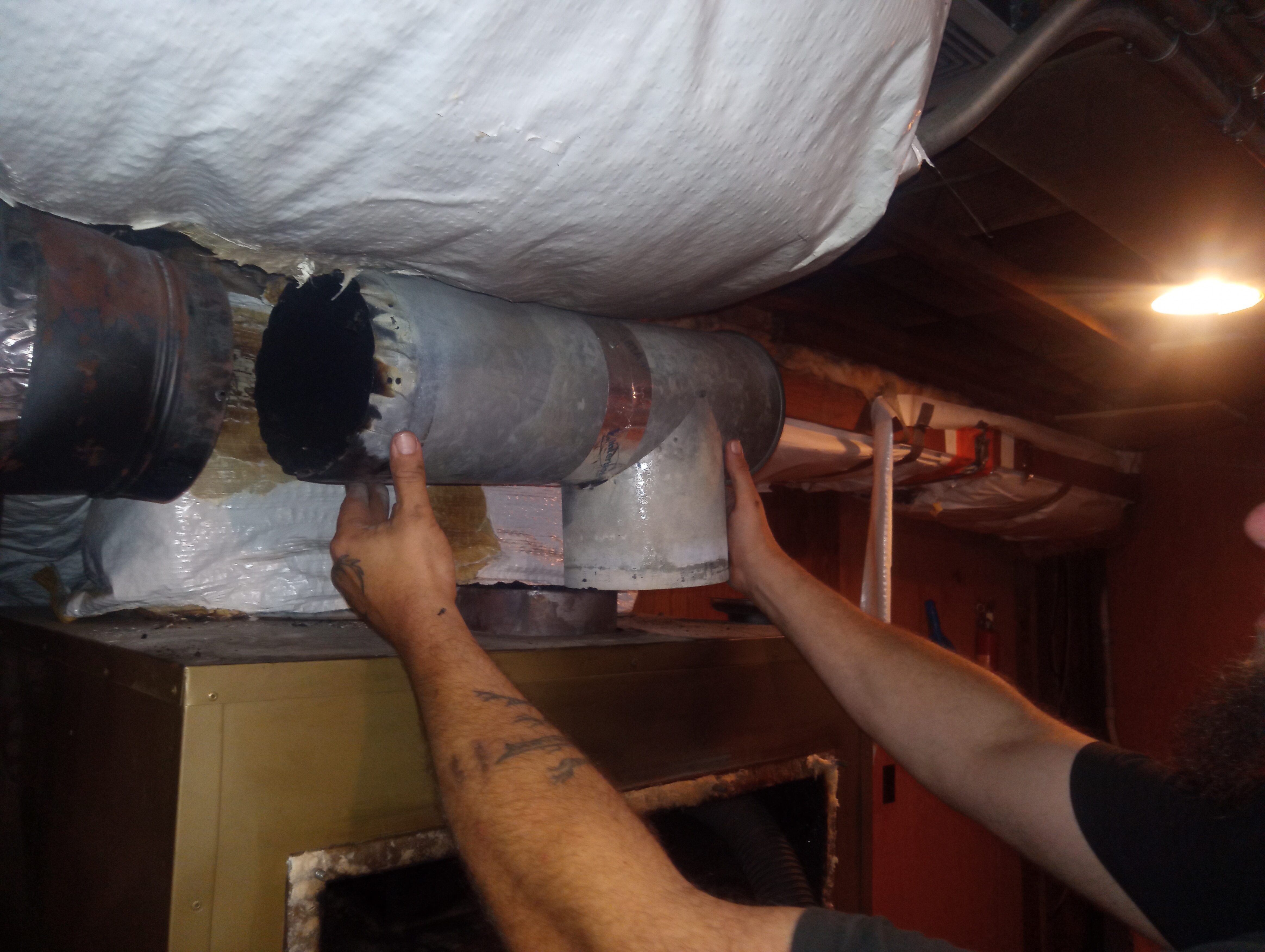
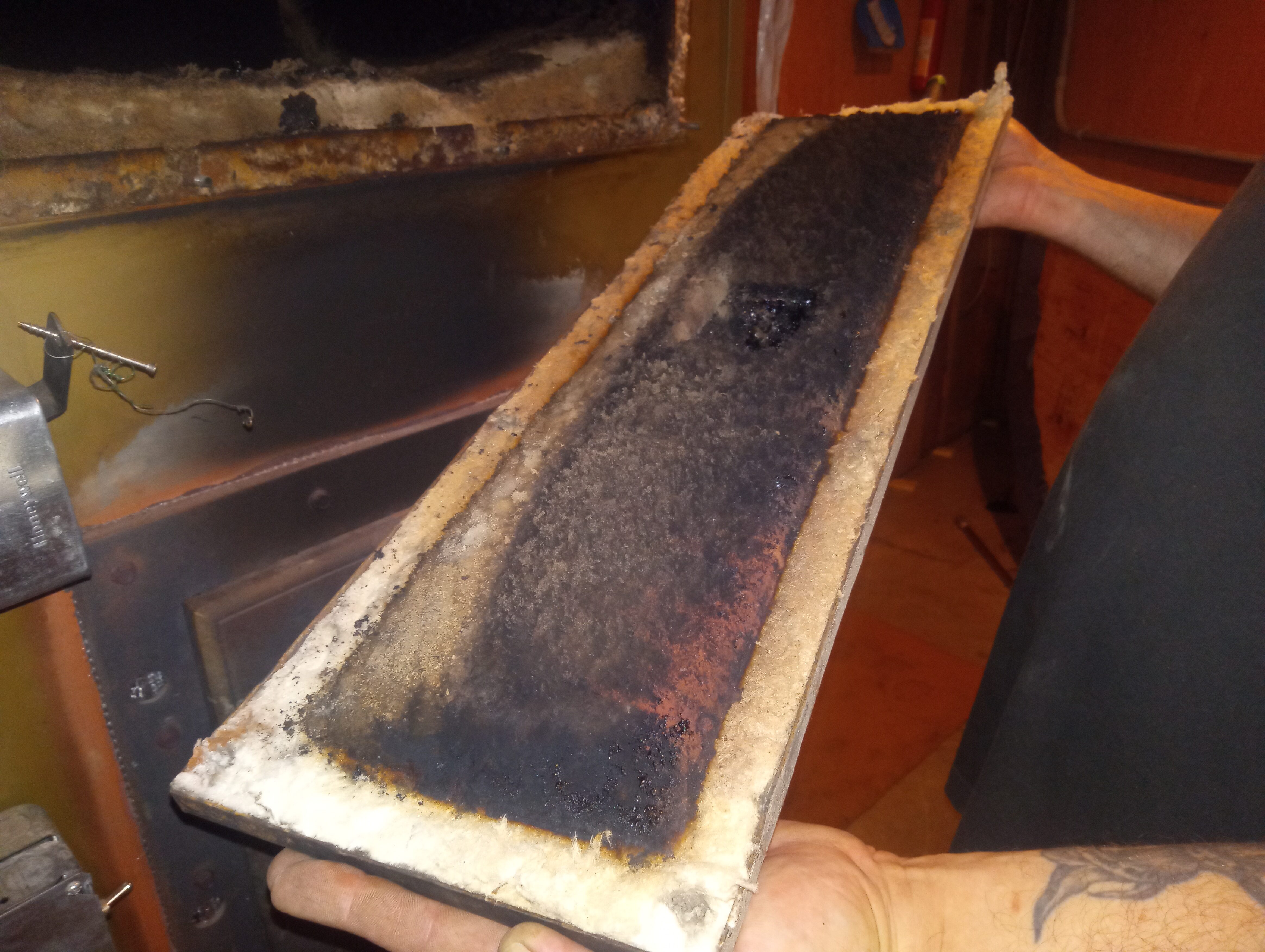
Cleaning for the Ways You Heat
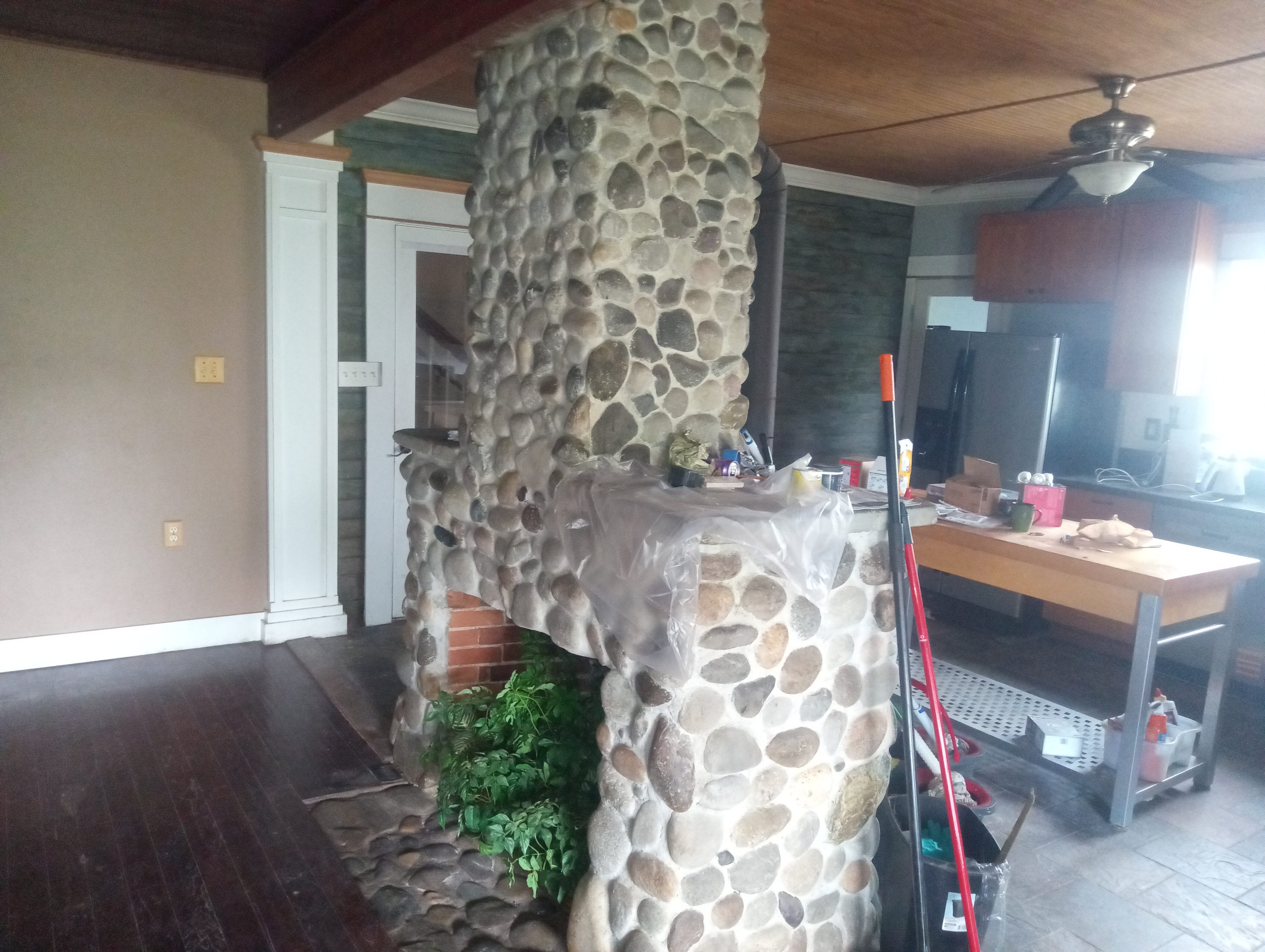
Fireplace and Woodstove Cleaning
Clear soot and creosote from open fireplaces and freestanding woodstoves to support safer, more reliable fires.
Pellet Stove and Insert Cleaning
Clean pellet stoves and woodstove fireplace inserts to remove accumulated ash and buildup from accessible components.
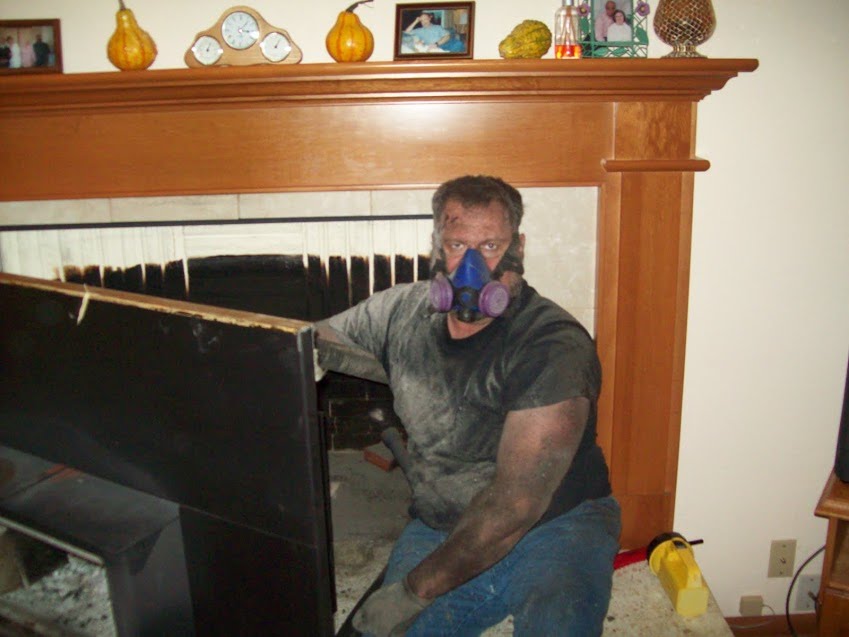
Why Regular Cleaning Matters
Support Safer Operation
Removing soot and creosote helps reduce combustible deposits and supports proper venting from your wood-burning furnace.
Maintain Efficient Heating
Clearer furnace passages and connecting pipes allow exhaust to flow more freely, helping your heating system perform as intended.
Limit Venting Buildup
Routine attention to the furnace, pipes, and chimney helps keep deposits from accumulating throughout the exhaust path.
How Furnace and Pipe Cleaning Works
Inspect and Prepare
We check accessible furnace, pipe, and chimney components, then protect the work area and prepare the system for cleaning.
Clean the Exhaust Path
We remove soot and creosote from the furnace and connecting pipes, working through reachable sections of the venting system.
Complete Final Checks
After clearing debris, we reassemble accessible components and check for visible issues that may need repair or further evaluation.

Chimney and Masonry Repairs
When cleaning reveals wear or weather damage, repairs can help protect the chimney and keep its components in working order. Available services include chimney rebuilds, tuckpointing to restore deteriorated mortar joints, stucco repairs, and chimney crown repairs. We also repair flashing where the chimney meets the roof, apply waterproofing to help resist moisture intrusion, repair dampers, and install stainless-steel rain caps to help keep rain and animals out.
Wood-Burning Furnace & Chimney FAQs
Find answers about cleaning furnace pipes, maintaining your chimney, spotting repair needs, and keeping rain and animals outside.
How often should a wood-burning furnace and its pipes be cleaned?
Schedule an inspection at least once a year. Cleaning frequency depends on how often you burn wood and how quickly soot and creosote build up.
What happens during a furnace and pipe cleaning?
We clear soot and creosote from accessible furnace venting and chimney passages, then check for visible conditions that may affect safe operation.
Why does creosote buildup matter?
Creosote is a combustible residue from wood smoke. Removing buildup helps reduce chimney fire risk and keeps exhaust moving through the system.
Can you clean other wood-burning heating systems?
Yes. We clean open fireplaces, free-standing woodstoves, pellet stoves, and woodstove fireplace inserts, along with their connected venting.
What signs suggest my chimney needs repair?
Loose bricks, crumbling mortar, cracked stucco or crowns, water stains, and damaged flashing are all reasons to arrange a chimney evaluation.
Do you repair damaged chimney masonry?
Yes. Depending on the condition, we can discuss chimney rebuilds, tuckpointing, stucco repairs, and chimney crown repairs.
How can I keep rain out of my chimney?
A properly fitted stainless steel rain cap helps block rain at the top. Flashing, crown repairs, or waterproofing may also address water entering elsewhere.
What keeps birds and other animals out of the flue?
A stainless steel chimney cap with appropriate screening helps prevent animals from entering while allowing smoke to vent.
Can a damaged damper affect my fireplace?
Yes. A damper that will not open or close properly can interfere with venting or let unwanted drafts in. We can assess whether it needs repair.